((Migration and Refugees in the Middle East / Article by Dr. Widad Hammad Al-Fahdawi)
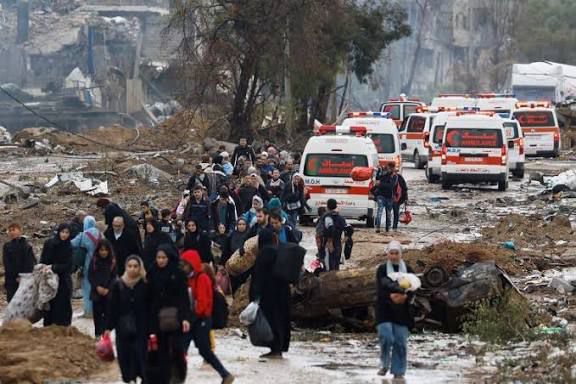
Migration and Refugees in the Middle East: From Internal Instability to Fragile Reception
Dr. Widad Hammad Makhlaf Al-Fahdawi
February 1, 2026
....
Migration and refugee flows have significantly reshaped the demographic and social landscape of the Middle East in recent decades. Far from being temporary, these movements reflect long-standing political, economic, and environmental crises. Armed conflicts, institutional collapse, and social marginalization have triggered large-scale displacement, placing pressures on host communities and challenging the stability of origin countries.
Drivers of Migration:
Key factors driving migration include armed conflict, economic hardship, high unemployment, political or sectarian persecution, and environmental stressors such as climate change. Countries like Syria, Iraq, Yemen, and Palestine are primary sources of refugees, while Turkey, Jordan, Lebanon, and Egypt bear significant hosting responsibilities amid domestic challenges.
Impacts on Social Cohesion:
Refugee inflows strain infrastructure and public services in host states, intensifying competition over resources and employment. Cultural and linguistic differences may exacerbate social tension, especially when amplified by unbalanced media or political discourse. In origin countries, continued emigration weakens social networks and results in the loss of skilled human capital, slowing recovery and development.
State and Media Roles:
Governments play a central role in managing migration and refuge through policies, security measures, and public communication. Approaches differ: some emphasize transparency and human rights, while others stress security concerns, framing refugees as threats, which fuels societal anxiety. Media can either support rational public understanding or escalate tensions, making responsible reporting crucial.
Integration as a Strategic Measure:
Long-term security and stability rely on integrating refugees socially and economically. Access to education, employment, and community participation reduces tension and promotes cohesion. Regional and international cooperation supports sustainable approaches through resource-sharing and technical assistance. Effective strategies include education and vocational programs, psychosocial support, and safe voluntary return when feasible.
Conclusion:
Migration and refuge in the Middle East are structural, long-term phenomena reflecting deep regional crises. Addressing them requires comprehensive, integrated policies that strengthen social cohesion, protect human dignity, and balance security needs with justice principles. Sustainable stability depends on proactive, inclusive, and strategic responses rather than emergency-only interventions.
References:
1.United Nations High Commissioner for Refugees (UNHCR).
2.Middle East Studies Center, Refuge and Social Security Challenges, 2021.
3.International Labour Organization, Labor Market and Refugees in the Middle East.
4.World Bank, Demographic Pressures in Displacement Areas, 2022.
5.Arab Planning Institute, The Impact of Migration on Origin Countries.
Topics may interest
Migration in ReverseRamadan is the spur of inspiration, not inaction and laziness
A Sweet Whisper on World Dhad Day
((Article by Prof. Dr.Mohammad Dawood Mousa, Center for Strategic Studies / Department of Futures Studies and Crisis Management))...
International Women's Day: Feats and Pride
The role of universities in countering extremism and building peace in Iraqi society
Examples of tribal fanaticism in Islamic history and its impact on peaceful coexistence
A strategy for preserving water from wasting in light of climate change